
Driving in Fresno Tule Fog: Lens Coatings & Anti-Glare Tech That Improve Winter Visibility
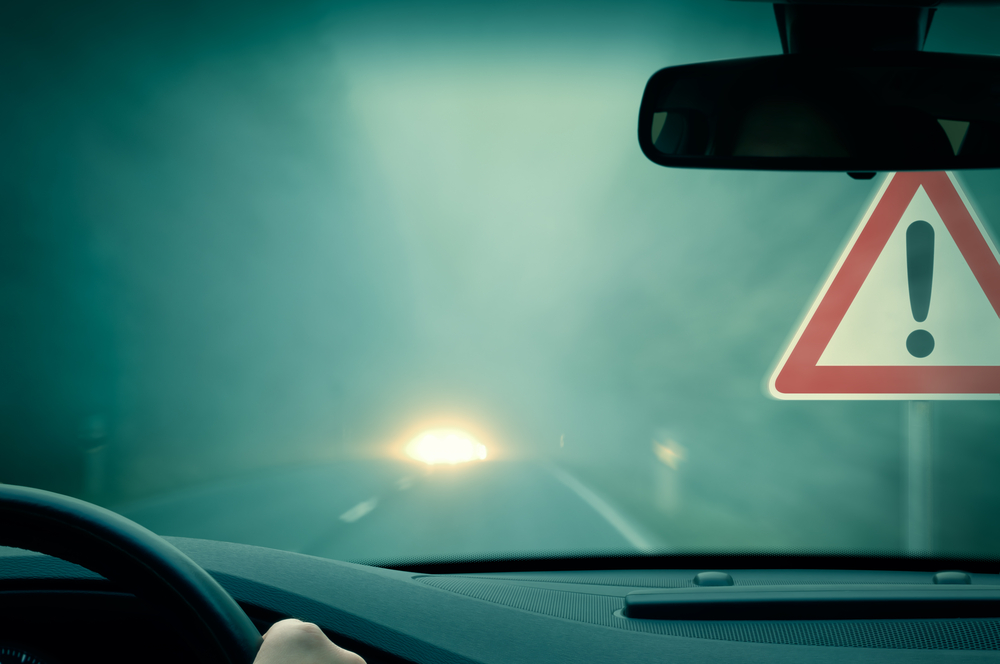
Winter driving in Fresno can become challenging when Tule fog settles across the Central Valley. Dense fog can reduce visibility, soften road markings, and make headlights from oncoming vehicles feel brighter and more distracting. If glare seems especially bothersome when you drive, your glasses may also play a role in how clearly and comfortably you see.
At 20/20 Optometric of Fresno, we can evaluate your vision and help determine whether updated prescription lenses and anti-glare technology may improve your visual comfort behind the wheel.
Why Tule Fog Makes Driving More Difficult
Tule fog is common in California's Central Valley during the cooler months and can become especially dense overnight and in the early morning. Fog scatters light, which can make headlights, traffic signals, and streetlights appear hazy or surrounded by glare.
For drivers who already have uncorrected nearsightedness, astigmatism, or an outdated prescription, these conditions may make seeing road signs and lane markings even more difficult. Dirty or scratched eyeglass lenses can also add unwanted reflections.
How Anti-Reflective Lens Coatings Can Help
Anti-reflective coatings, sometimes called AR or anti-glare coatings, are designed to reduce reflections from the front and back surfaces of eyeglass lenses. Less reflected light can help provide clearer vision and reduce distracting glare from headlights and streetlights.
Research has found that anti-reflective lenses can improve contrast sensitivity in certain glare conditions. For Fresno drivers who regularly commute before sunrise or after dark, an AR coating may make prescription glasses more comfortable to use behind the wheel.
Benefits may include:
Fewer distracting reflections from headlights and streetlights
Improved visual comfort when driving after dark
Better light transmission through prescription lenses
Clearer-looking lenses with fewer visible reflections
Options for scratch-resistant and easier-to-clean lens surfaces
A Current Prescription Matters Too
Lens coatings cannot compensate for an inaccurate prescription. If headlights look unusually blurry, streaked, doubled, or surrounded by halos, it may be time for a comprehensive eye exam.
Astigmatism, dry eye, cataracts, and other vision changes can contribute to nighttime glare. During an eye exam at our Fresno practice, we can check your prescription and eye health to determine whether something beyond your lenses may be affecting your winter driving vision.
Be Careful With Yellow "Night Driving" Lenses
Some glasses are marketed specifically for nighttime driving using yellow-tinted lenses. However, research has not shown that yellow lenses improve pedestrian detection or reduce the effects of headlight glare during nighttime driving. Because tinted lenses also reduce the amount of light reaching the eyes, clear prescription lenses with an appropriate anti-reflective coating may be a better option for many drivers.
Eyewear Is Only One Part of Safer Fog Driving
No pair of glasses or lens coating can make dense Tule fog safe to drive through. Fresno drivers should still slow down, increase following distance, and use low-beam headlights rather than high beams when visibility drops.
If glare or blurry nighttime vision is making winter driving more difficult, schedule an eye exam with 20/20 Optometric of Fresno at 5110 N Blackstone Ave #108, Fresno, CA 93710, or call us at (559) 221-8900 to discuss prescription lenses and anti-reflective options for clearer, more comfortable vision.


Contact Info
Hours of Operation
- Monday 8:30am - 6:00pm
- Tuesday 8:30am - 6:00pm
- Wednesday 8:30am - 6:00pm
- Thursday 8:30am - 6:00pm
- Friday 8:30am - 6:00pm
- Saturday 9:00am - 2:00pm
- Sunday CLOSED
© 2026 20/20 OPTOMETRIC OF FRESNO. All rights Reserved. Accessibility Statement - Privacy Policy - Sitemap
Powered by:
