
Lifestyle Adjustments That Help Relieve Dry Eye Symptoms
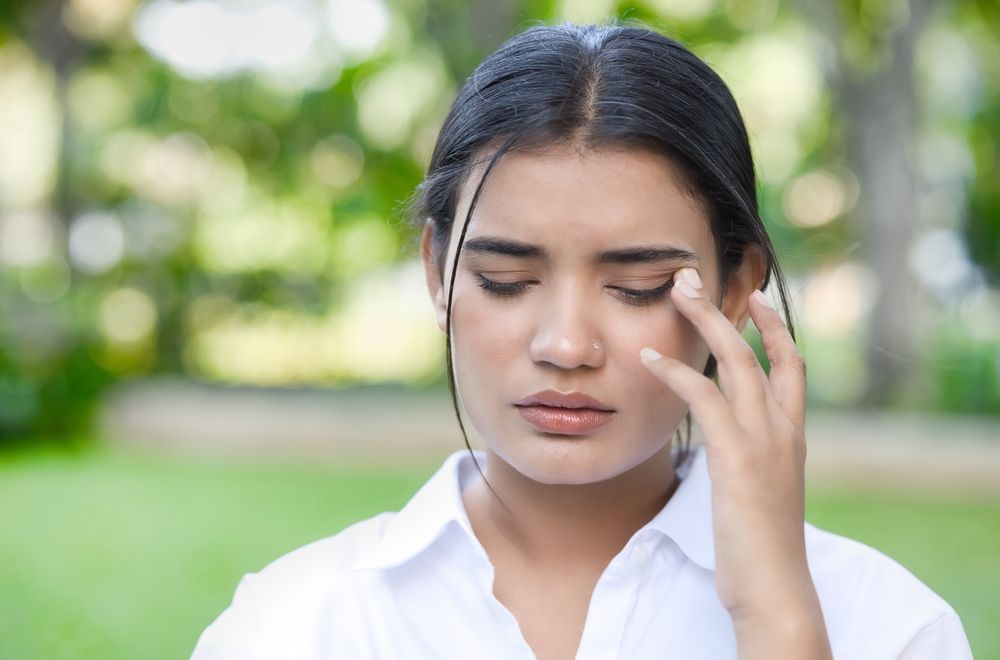
Dry eye is a widespread condition that can cause burning, stinging, redness, fluctuating vision, and a persistent gritty sensation. For many people, symptoms gradually worsen due to modern lifestyle habits like increased screen time, indoor climate control, and environmental exposure. The good news is that targeted lifestyle adjustments can significantly improve comfort. And when home strategies aren’t enough, professional care can help address the root cause and restore lasting relief.
Managing Screen Time to Reduce Strain
Extended use of digital devices is one of the most common contributors to dry eye symptoms. When focusing on screens, we naturally blink less often and less completely. This reduces tear distribution and increases tear evaporation, leading to dryness and irritation.
Making small changes can help. Follow the 20-20-20 rule by looking 20 feet away for 20 seconds every 20 minutes. Be mindful to blink fully and frequently. Position your screen slightly below eye level to minimize tear evaporation. Using artificial tears recommended by your optometrist can also provide added moisture during long workdays.
Improving Your Indoor and Outdoor Environment
Environmental conditions play a significant role in eye comfort. Dry air, wind, smoke, and direct airflow from fans or air conditioners can all worsen symptoms.
Using a humidifier at home or in the office can help maintain moisture in the air. Avoid sitting directly under vents or fans, and wear sunglasses outdoors to protect your eyes from wind and sun exposure. Reducing exposure to irritants like smoke can further support tear stability and overall comfort.
Supporting Tear Production with Hydration and Nutrition
Staying hydrated is essential for overall health, including your eyes. Drinking enough water throughout the day supports natural tear production and helps maintain a stable tear film.
Nutrition also matters. Omega-3 fatty acids, found in foods such as salmon, flaxseed, and walnuts, may help improve the quality of your tears. Before starting supplements, it’s best to consult your eye doctor to determine what’s appropriate for your specific needs.
Practicing Daily Eyelid Hygiene
In many cases, dry eye is linked to meibomian gland dysfunction (MGD). The meibomian glands produce the oils that prevent tears from evaporating too quickly. When these glands become blocked, dryness worsens.
Applying warm compresses to the eyelids can help loosen blockages and improve oil flow. Gentle eyelid cleansing with doctor-recommended lid scrubs supports gland health. It’s also important to thoroughly remove eye makeup each night and avoid heavy products that may clog glands.
Reassessing Contact Lens Wear
Contact lenses can sometimes contribute to dry eye symptoms, especially with extended wear. If you notice discomfort, limiting wear time or switching to daily disposable lenses may help. Proper cleaning and storage are essential, and in some cases, specialty lenses may offer better comfort. Your optometrist can evaluate your lenses and recommend options tailored to your eyes.
When It’s Time to See Your Eye Doctor
While lifestyle adjustments can significantly improve mild symptoms, persistent or worsening dry eye should not be ignored. Ongoing redness, fluctuating vision, light sensitivity, or discomfort that interferes with daily activities may indicate a more advanced condition.
At 20/20 Optometric of Fresno, we provide dry eye evaluations and advanced treatment options, including TempSure Envi. This non-invasive therapy uses targeted radiofrequency energy to gently heat the eyelids, helping stimulate and unclog the meibomian glands. By addressing one of the underlying causes of chronic dry eye, TempSure Envi offers longer-lasting relief beyond temporary eye drops.
Take the First Step Toward Lasting Relief
Dry eye symptoms can disrupt your comfort, productivity, and overall quality of life. While simple lifestyle adjustments often provide meaningful relief, persistent symptoms require professional care. Identifying and treating the root cause early can help protect your long-term eye health and restore daily comfort.
If dry, irritated eyes are affecting your routine, 20/20 Optometric of Fresno is here to help. With personalized care and advanced solutions like TempSure Envi, we can create a treatment plan designed for lasting relief. Visit our office in Fresno, California, or call (559) 221-8900 today.


Contact Info
Hours of Operation
- Monday 8:30am - 6:00pm
- Tuesday 8:30am - 6:00pm
- Wednesday 8:30am - 6:00pm
- Thursday 8:30am - 6:00pm
- Friday 8:30am - 6:00pm
- Saturday 9:00am - 2:00pm
- Sunday CLOSED
© 2026 20/20 OPTOMETRIC OF FRESNO. All rights Reserved. Accessibility Statement - Privacy Policy - Sitemap
Powered by:
